
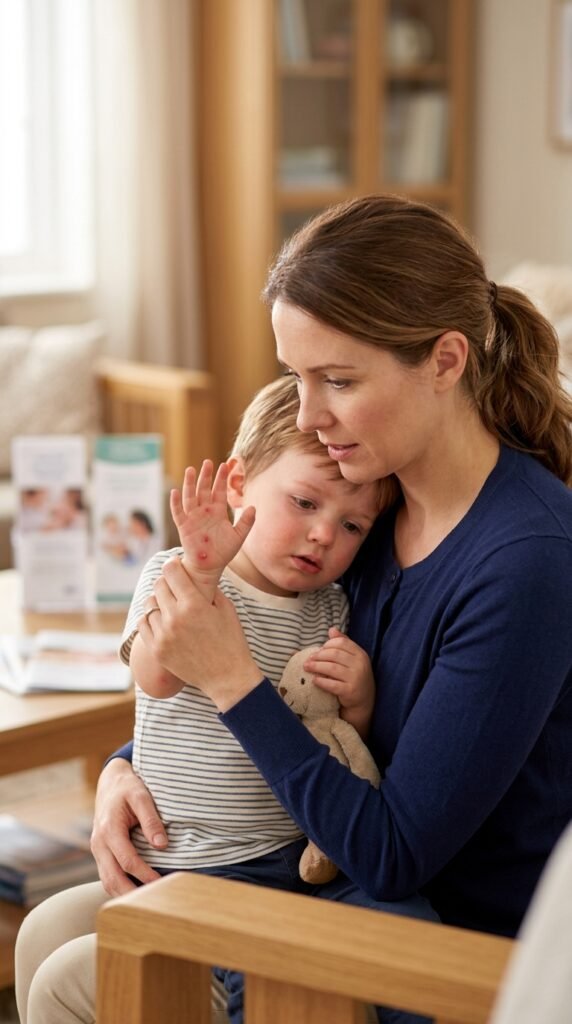

Hand and foot disease, also known as hand, foot and mouth disease, is a very common (and contagious) viral infection that primarily affects infants and young children. Red spots or blisters on your child’s hands, feet and inside his or her mouth can be a cause for worry, but knowing how the virus functions helps to make it easy to manage. In this in-depth guide, we’ll dissect the causes of the condition, identify early warning signs and discuss some home remedies you can implement to ensure your family stays safe and cozy.
Hand and Foot Disease:
What is it? Hand and foot disease is a common infection typically caused by a family of enteroviruses, typically the Coxsackievirus. It causes a rash or blisters on the hands, feet and sometimes the buttocks or diaper area and a sores in the mouth.It occurs at the highest rate in children less than 5 years of age but older children and adults can also become infected. Knowing the virus will help parents to respond promptly and calmly if symptoms do show up.
How the Virus Spreads
The virus is very contagious and can easily be spread in settings where young children are present, such as day care centers, preschools and summer camps. If you can identify and provide supportive treatment promptly, you will avoid infecting others and prevent the spread of hand and foot disease. Symptoms typically manifest in phases and not all at once.
Early SymptomsFever:
A sudden onset of mild to moderate fever often is the first symptom. Sore Throat: children may complain of sore throat or not want to eat because of it.Malaise: The initial fever is often associated with irritability, low energy and/or loss of appetite.Classic Signs
Mouth Sores:
Small painful red spots appear on the back of the mouth, tongue or inside the cheeks. These areas become painful, blistered areas very quickly.
Skin Rash:
Small red spots or fluid-filled blisters on the palm of the hands and soles of the feet. There is also a rash that can occur on the knees, elbows or buttocks.Peeling Skin: When the rash heals, within 7-10 days, the skin on the fingers and toes may peel a little.
Practical tips for home hand/foot disease management since hand and foot disease is caused by a virus, antibiotics will not work. Treatment is purely to relieve symptoms, keep people hydrated and avoid complications as the virus takes its course. The main concern with this condition is dehydration, as it is painful to drink water.Provide frequent fluids to drink that are cold, water, milk or electrolyte fluids.Drink non-acidic fluids such as orange juice, lemonade or sodas, as these make mouth ulcers sore.
Popsicles, ice cream, yogurt or smooth applesauce are examples of soft, cold foods that can help soothe the throat and provide energy.
Fever and Pain
Over-the-counter pain relievers like acetaminophen or ibuprofen will help to reduce fever and also help with throat pain or pain in the mouth.
Important Safety Note:
You should always check with your Pediatrician for the correct dose for your child, depending on age and weight.
Aspirin should not be given to children or teenagers – it has been associated with a serious condition known as Reye’s syndrome. Gently clean Skin Sores with mild soap and lukewarm water.Dry the skin with a clean towel, don’t rub or scratch the blisters.Do not cover blisters, allow them to dry out naturally unless they are oozing – then a light bandage may be helpful to prevent any secondary skin infections.
How to distinguish Hand and Foot Disease from Other Skin Rashest can sometimes be confusing to distinguish this viral infection from other viral skin infections, which are common in childhood. The comparison table below highlights key differences:
Primary Rash Location
Key Distinct Symptom Typical Age Group Hand and Foot Disease Palms, soles of feet, inside mouth Painful blisters in mouth and red spots on hands/feet Children under 5 years pox Torso, face, spread all over body Intensely itchy fluid-filled blisters Unvaccinated children / adults Eczema Inner elbows, behind knees, faceDry, scaly, intensely itchy patches without feverAny age groupEczema HerpeticumPre-existing eczema areasCluster of painful, punched-out blisters Children with active eczema Simple Prevention Strategies Stopping the spread of viral rashes requires consistent daily hygiene practices, especially in households with multiple children.
Wash Hands Thoroughly:
Make sure children know to wash their hands for at least 20 seconds with soap and water, particularly after using the toilet, after changing nappies and before eating.Clean Surfaces: Clean regularly any surfaces that are touched often, such as toys, doorknobs, remote controls, counter tops, with a disinfectant cleaner.
Avoid Sharing Items:
Don’t let someone in the house share items such as utensils, cups, towels, or clothing when they’re sick.Isolate Until Recovery: Children who are ill should not attend school, day care or playgroup until their fever has cleared and the blisters have dried up.
Frequently Asked Questions (FAQs)
How long is someone with hand and foot disease contagious?
The first week of the illness is the most infectious time. The virus, however, can be found in the respiratory tract for several weeks and in stool for several months after symptoms have gone away.
Is it possible for adults to have hand and foot disease?
Yes, adults can get infected with the virus if they are not immune to that type of virus. Adults may have milder symptoms or not recognize signs or symptoms at all, but can infect others with the virus.
When to visit a doctor?
If your child becomes dehydrated (has not gotten a wet diaper in 6 hours, dry mouth, or is crying without tears).The fever lasts for more than 3 days or is higher than 102°F (38.8°C).After 10 days symptoms are not getting better.Child’s immune system is compromised.Hand and foot disease can be stressful for parents, but is a usually a mild and self-limited condition.
You can help your child feel better and recover at home 7 to 10 days by being able to identify early symptoms, provide care and support (such as fluids and painkillers), and practise good hand hygiene.If you think your child may have been exposed to the virus or if you see any of the symptoms of a severe dehydration, contact your pediatrician or local health care clinic for medical guidance.