
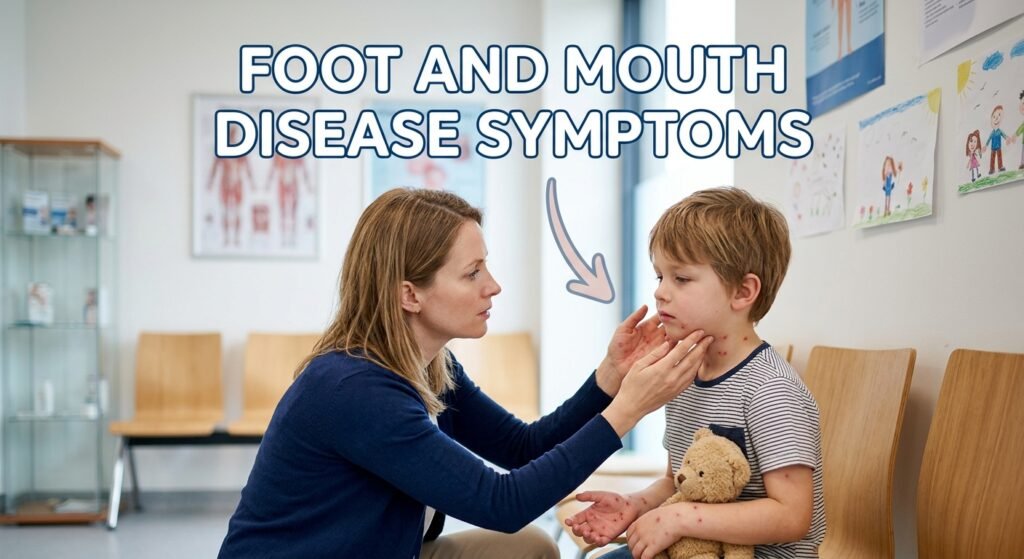

FMD can cause symptoms to develop very quickly and can cause a lot of suffering and concern for those affected. Hand, foot and mouth disease is a widespread viral disease commonly experienced by a person in human form is known as hand, foot and mouth disease symptoms, and can be readily spread in a day care facility, school or household. Early signs recognition may encourage parents/carers to start supportive care early, prevent the spread of the virus and prevent dehydration.
This article is meant to give you a better understanding of the stages of symptoms, some helpful diagnostic hints, some great home remedies and some steps to keep your family healthy.
Has an understanding of FMD and its effect in the UK.Understands about FMD and its effect on the UK.
In humans, commonly known as hand, foot and mouth disease (HFMD), is a viral disease that is contagious, with enteroviruses being the main causative agents, typically Coxsackievirus. Though the name is similar to foot and mouth disease (FMD) in animals, people are often misled to think that human HFMD and animal FMD are the same disease.
The virus is found in locations where children under six are. Spreads easily with direct contact to and from:
Nasal secretions and saliva from coughing/sneezing
The fluid that comes out of skin blisters.
All waste associated with changing nappies.
Toys, doorknobs and household surfaces that are contaminated.
Here are some important reminders: Key Features and FMD symptoms.
Symptoms of infection do not manifest themselves with all at the same time. In most cases, however, it may be possible to detect signs of FMD in stages after an incubation period of 3-6 days.
Early symptoms are the first 24-48 hours.
It will usually begin with a mild cold or a general viral infection:
One of the first symptoms is a sudden onset of low grade fever.
Sore Throat: May lead to pain or a scratchy feeling, while swallowing.
3. Loss of appetite: child may not eat or may complain of stomach ache.
General Malaise: When fever starts, they are irritable, feel weak and fussy.
Mild symptoms (Days 3-7)
As the infection progresses the typical lesions of the disease can be seen, these being skin and mouth lesions:
Small red spots develop within the mouth (cheeks, gums and tongue) and are painful. They soon develop into painful blisters or ulcers which make it hard to eat and drink.
Skin Rash and Blisters: Red flat areas on palms of hands and soles of feet. These may become very small, grey, water filled bumps. The rash may also occur on the knees, elbows, diaper area and/or buttocks.
Practicing Advice: How to Manage At Home.
Treatment is almost always directed toward the alleviation of pain, cooling and prevention of dehydration, as enteroviruses will run their own course; antibiotics are not effective.
1. Maintain Adequate Hydration
The main risk with this infection is the painful blisters in the mouth which cause dehydration.
Drink lots of cold fluids: Cold water, diluted fruit juices and/or milk.
Avoid Acidic Drinks: Citrus fruits (including orange juice, lemon juice) and fizzy drinks (soda) will burn open ulcers.
Calming foods: Give cold, soft foods like popsicles, ice cream, yogurt or applesauce to help ease the pain in the mouth and offer energy.
Relieve pain and fever: 2.
Avoiding pain relievers: Over-the-Counter Relievers such as acetaminophen or ibuprofen are very effective at helping to reduce fever and body aches. Do not use if weight or age is not known, please consult your doctor.
Self-medicate: Don’t give aspirin to children and adolescents because aspirin has been associated with a serious condition, Reye’s syndrome.
These steps will help you take care of the skin rash:
To maintain cleanliness in areas: Wash affected hands and feet with mild soap and warm water.
Avoid scratching: There is a risk of second infection by the bacteria.
Covering the Rash: Avoid covering the rash unless blisters are oozing.
Rash causing viruses in children.Re-read comparison of paediatric viral rashes.
It will help to determine the care to be taken if a general knowledge of the symptoms of FMD and other rashes is present.
Short-tailed owls: S. brevicauda Pacific coast from Vancouver Island to Puget Sound and south to Guatemala and Costa Rica Short tail Young adults to middle-aged adults.
Sole (FMD) foot and mouth disease symptoms Sore mouth ulcers (no itching)Blisters on hands and feetToddlers and children <5yo
A rash that spreads across the body, face, and torso that is very itchy, filled with fluid, and crusts over before scabbing and dropping off completely Highly itchy fluid-filled lesions that crust over before scabbing over and falling away from the body, face and torso Unvaccinated children can catch chickenpox.
Rubella Rashes start from the hairline downwards High fever, cough, running nose and flat red rash Unvaccinated people
Rash affected by eczema is located around the back of knees, around elbows, face etc.There are dry and scaly patches with lots of itchiness and no sudden fever. Any age group
The prevention and control measures are:
Good house keeping is an important factor in the prevention of viral rash diseases.
Wash hands often: Wash hands for 20 seconds with soap and running water, especially after going to the bathroom, changing diapers or wiping noses.
Disinfect Shared Items: Sanitize toys, remote controls and doorknobs and other touched frequently items with a disinfectant containing bleach.
Do not Share Utensils: Make sure that sick family members have their own cups, bowls, plates and bath towels.
Stay Home: Do not send children to school, daycare or public play areas until their fever has gone and all of their blisters have dried.
The most popular questions and answers are listed below.
What is the incubation period of foot and mouth disease (FMD)?
Medical treatment is generally not necessary as signs and symptoms will clear up in 7 to 10 days. The fever usually goes away within 24-48 hours and the mouth ulcers and skin rash heal about a week later.
Do adults get this virus infection?
Yes. Generally immunity exists for adults but those who are at higher risk of exposure (such as day care staff, parents with compromised immune system) can become infected. There are two possible types of symptoms: Mild and asymptomatic adult carrier.
When should the medical advice be sought?
When it is necessary to seek medical advice, it is:
Your child is not urinating (no wet diapers for 6 hours) and/or has a dry mouth and/or no tears when crying.
Temperature continues to be elevated (>102° F [>38.8° C]) or fever has lasted longer than three days.
• Your child can not swallow any liquids because of his or her mouth sores.
Symptoms do not get better after 10 days.
Conclusion
If you have an understanding of the symptoms of FMD you will know what to do with your child to help ease their symptoms and protect the rest of your family. Manage the infection without aerobics, but keep hydrated, cool and use hand hygiene.
In case of severe dehydration and/or persistent fever, seek advice from the paediatrician or local health service.